Leaf spots, rusts, blights, and seedling rots look urgent and often look alike. The useful response is a diagnosis, a change in the canopy or the seedbed, and a fungicide only when the crop and the disease are both on the label.
Name the problem before you treat it
Note where the symptom starts. Lower leaves that yellow in a pattern can be nutrition or water. Lesions with spores, a smell of rot, or a sudden wilt in one patch are reasons to stop and identify the disease. A local lab or an agronomist is cheaper than a week of the wrong product.
Solutions that do not start in the jug
- Use clean seed and varieties with resistance to the diseases you actually see.
- Open the canopy with spacing and avoid irrigating late in the day when leaves can stay wet overnight.
- Bury or remove residue that carries last season’s inoculum, where the crop system allows it.
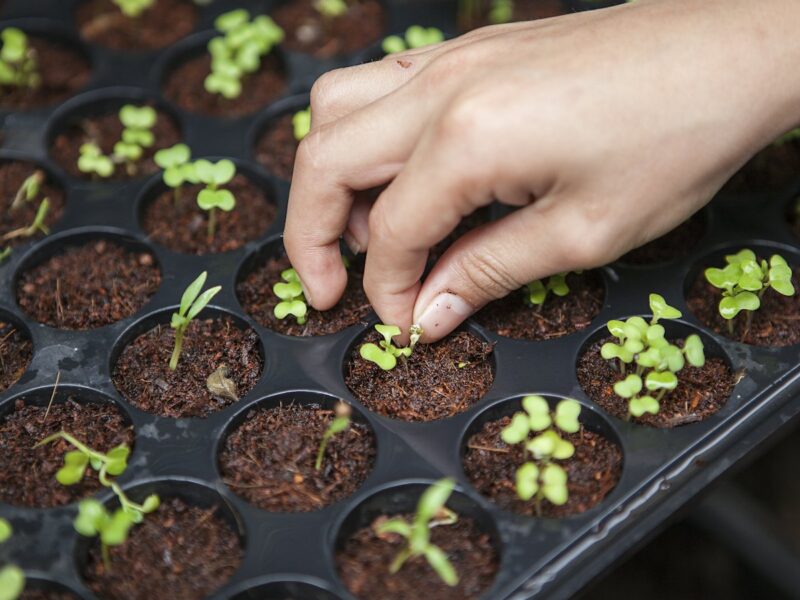
- Keep seedlings out of cold, crusted, waterlogged soil so damping-off has less of a start.
Protective fungicides belong on a calendar only when history says the disease arrives every year and the crop is in the vulnerable stage. Curative hopes are narrower than the advertisement. Rotate groups, respect the pre-harvest interval, and write down what you used so resistance does not become next year’s surprise.